On Solidarity:
Why It Is Important to Reflect on the Student Protests of the 1930s

On Solidarity: Why It Is Important to Reflect on the Student Protests of the 1930s
Debate, exhibition, radio drama, video work (2011–2013)
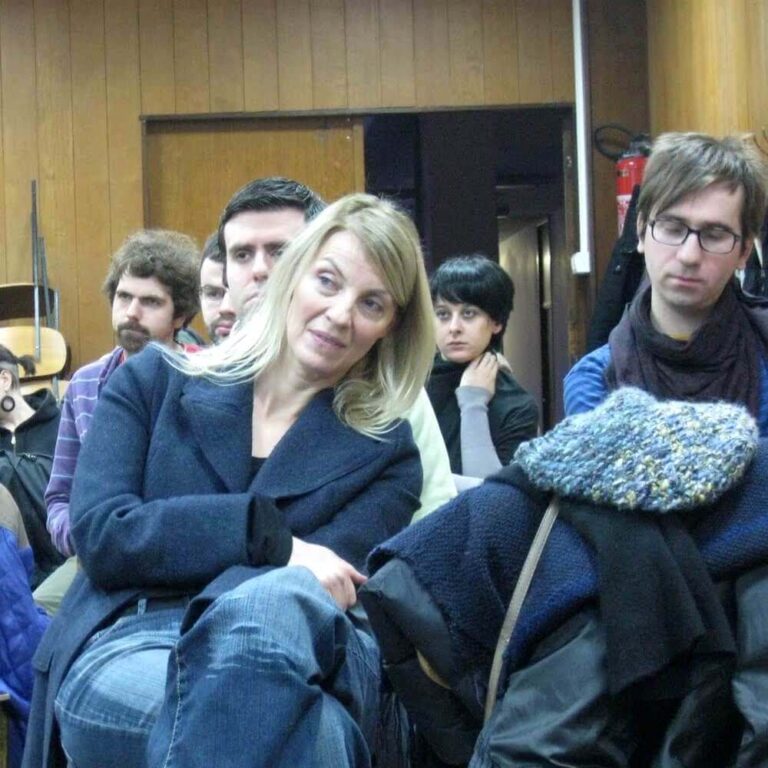
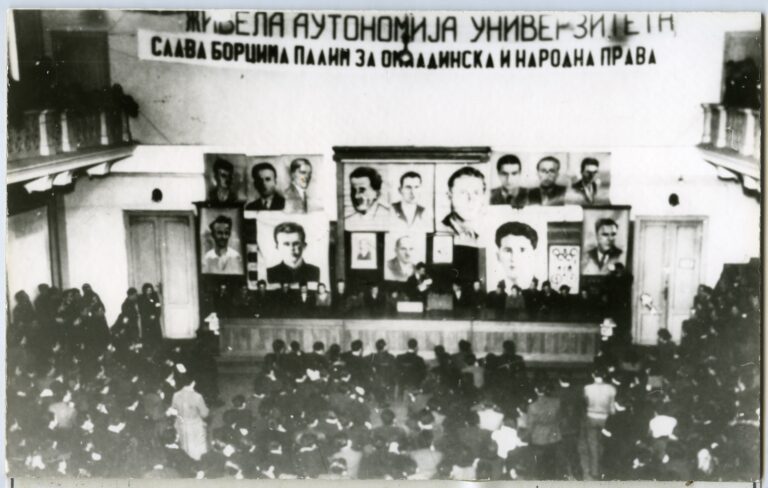
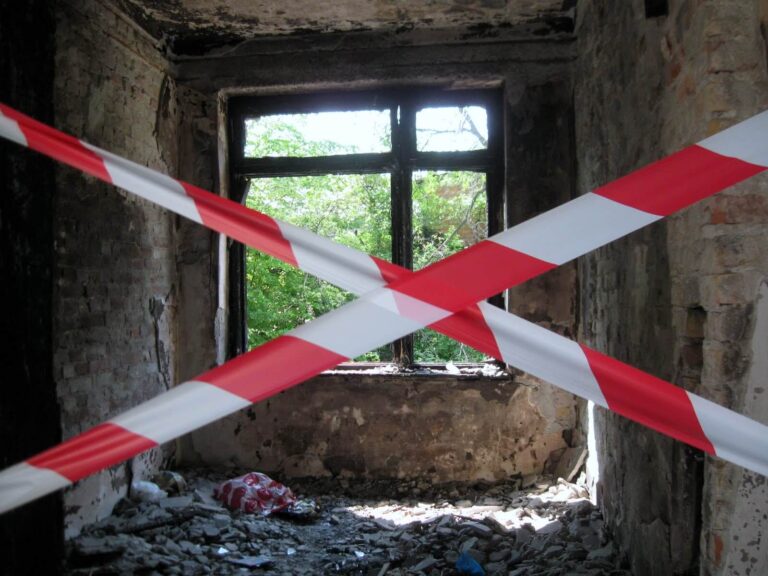
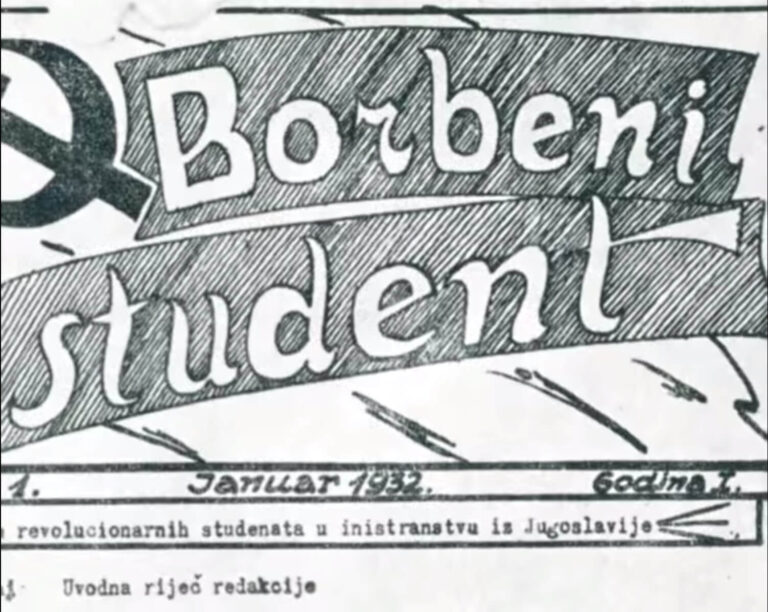
The project is the result of research conducted in Belgrade and Zagreb during 2011 and 2012. Its main objective was to bring to light a largely forgotten part of the history of revolutionary student struggles in the Kingdom of Yugoslavia, and to highlight the connections among students—their struggles, communication, and solidarity—which often extended beyond the boundaries of the student movement itself. The project’s implementation began in early 2012 with a debate and exhibition titled Why It Is Important to Reflect on the Student Protests of the 1930s. Within the framework of the project, a radio drama and audio installation were produced, followed by a video work based on archival materials collected in Belgrade and Zagreb. These included student statements and leaflets from the 1930s, media reports from plenums and protests, police records, newspaper articles, photographs, and similar sources that document the repression faced by student movements in their struggle. These archival materials were juxtaposed with contemporary photographs, video, and documentary footage reflecting the current socio-economic reality in which we live.
Although this fact is scarcely known to the public, student struggles grounded in the principles of direct democracy were a prominent form of organization within the progressive—or revolutionary—student movements at the University of Belgrade and the University of Zagreb between the two World Wars, particularly during the 1930s. The capitalist order of the time, the economic crisis, and the general rise of fascism are only some of the parallels that can be drawn with the social, political, and economic circumstances confronting today’s students. The historical significance of these earlier student struggles is also reflected in data showing that approximately half of all students at the University of Belgrade were involved in progressive student movements.
Student protests and blockades based on the principles of the plenum—a direct-democratic student assembly—such as those held at the Faculty of Philosophy in Belgrade in 2011 or at the Faculty of Humanities and Social Sciences in Zagreb in 2009, have once again become a recurring phenomenon at universities in Belgrade, Zagreb, Ljubljana, Rijeka, Novi Sad, and other cities across the region. The key goals of all these protests concern the defense of publicly funded education accessible to all, the protection of university autonomy, and the promotion of student self-organization.